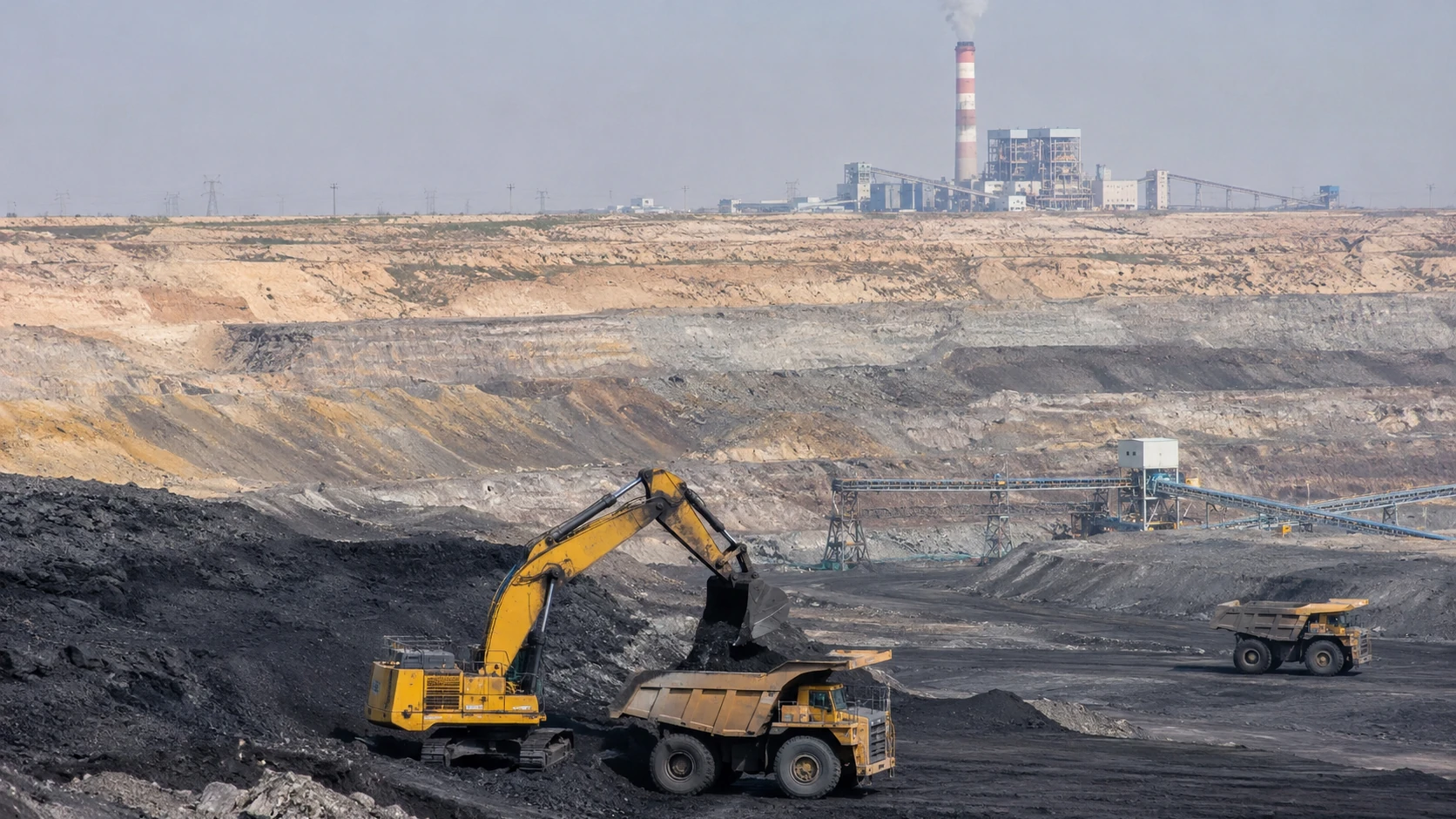
ISLAMABAD, 19 November 2026 — Pakistan has begun work to connect Thar coal mining operations to the national electricity grid, replacing costly diesel-generated power in a project expected to save $25 million to $30 million annually in foreign exchange.
The contract has been awarded and the contractor has mobilised at the site. Completion is now targeted for April 2028, several months ahead of the original end-2028 deadline.
The progress was reviewed on Wednesday at a meeting chaired by Federal Minister for Power Awais Ahmad Khan Leghari.
Lower Mining Costs
The project will supply approximately 60 megawatts of electricity to Thar Blocks I and II through 132-kilovolt transmission infrastructure connected to the Islamkot Grid Station.
According to the Power Division, the mines currently consume between 200,000 and 250,000 litres of diesel daily.
Switching to grid electricity is expected to reduce mining power costs from 33 US cents to 13 cents per kilowatt-hour, a decline of more than 60%.
The government estimates daily diesel cost savings of around Rs. 25 million, while coal production costs could fall by approximately $0.70 per tonne, potentially reducing electricity generation costs.
Electric Mining Vehicles Planned
The Power Division also expects the transition to reduce carbon emissions by approximately 80,000 tonnes annually.
Thar Block I plans to introduce around 40 electric mining trucks by the end of 2026, while Block II aims to begin deploying electric vehicles in 2028.
The initiative forms part of Pakistan’s efforts to reduce dependence on imported fuel and improve the cost competitiveness of locally produced Thar coal.