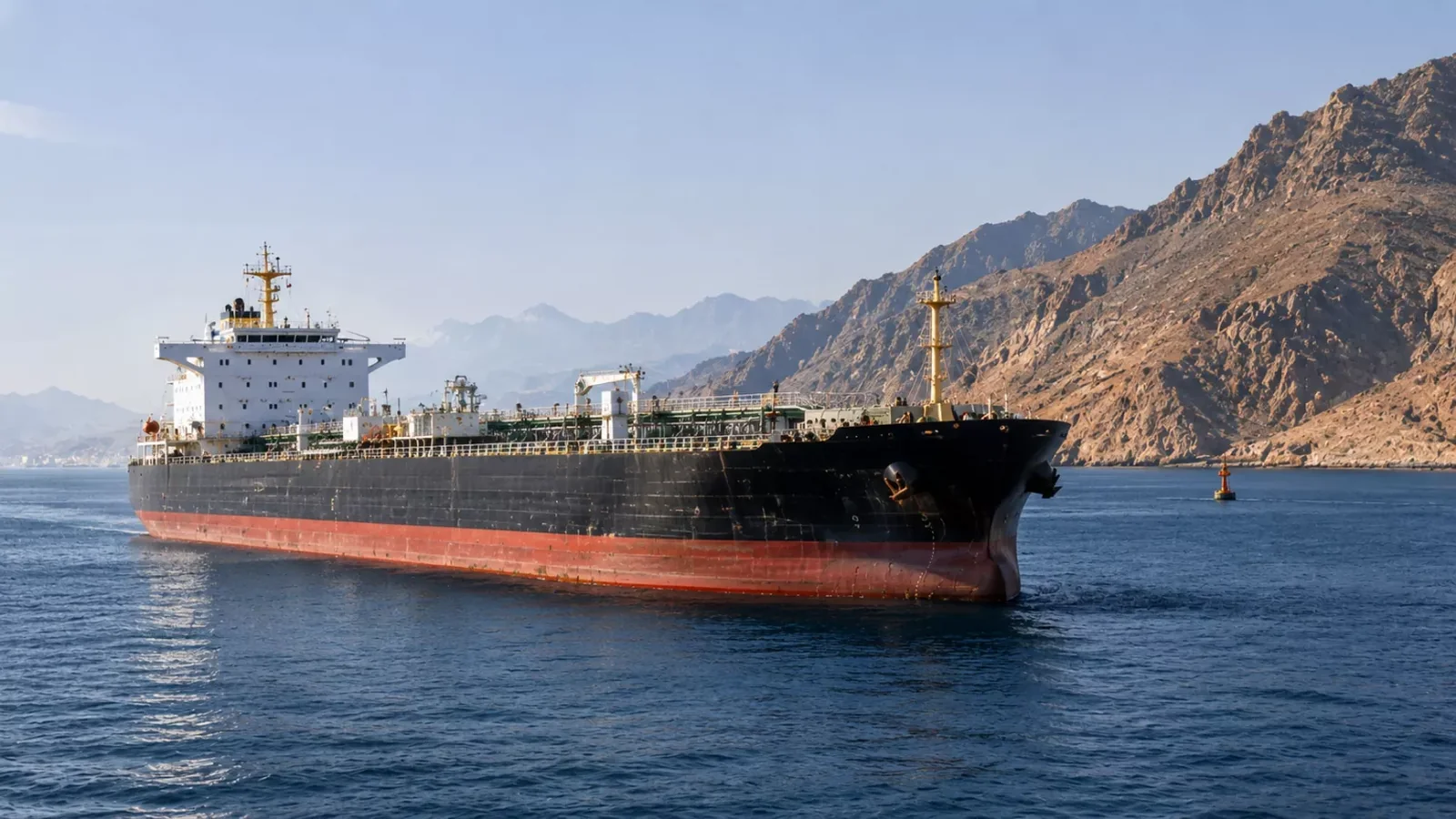
NEW YORK: Pakistan has called for coordinated international action to safeguard energy infrastructure, commercial shipping and agricultural trade, warning that prolonged conflicts are threatening food and energy security across developing economies.
Pakistan’s Permanent Representative to the United Nations, Ambassador Syed Haider Shah, raised the concerns during a high-level UN Security Council briefing on Monday concerning the protection of energy infrastructure and Black Sea food export routes.
The meeting, chaired by Latvian President Edgars Rinkēvičs, was convened amid escalating hostilities in Ukraine and mounting concerns over damage to electricity networks ahead of winter.
Shah warned that the economic consequences of armed conflicts were increasingly extending beyond affected regions, as interruptions to trade and essential supplies contributed to rising commodity prices.
Pakistan outlined three priorities for international action:
- Protecting civilians and essential infrastructure in accordance with international humanitarian law.
- Ensuring unrestricted delivery of humanitarian assistance.
- Expanding international cooperation to maintain essential supply networks.
The ambassador drew attention to the dependence of agricultural production on energy, fertilisers and maritime transport, warning that disruptions across these interconnected sectors could intensify hunger in import-dependent countries.
UN Under-Secretary-General for Political and Peacebuilding Affairs Rosemary DiCarlo warned that extensive damage to Ukraine’s energy infrastructure was leaving communities vulnerable to electricity, heating and water shortages during winter.
The Middle East conflict has also exposed Pakistan’s vulnerability to international energy disruptions, particularly through its dependence on imported petroleum and liquefied natural gas.
Shah emphasised that measures to protect infrastructure and maintain trade could not replace diplomatic efforts to resolve the underlying conflicts.
Pakistan reaffirmed its support for negotiated settlements in accordance with the UN Charter and international law, alongside international efforts to limit the humanitarian and economic consequences of armed conflicts.