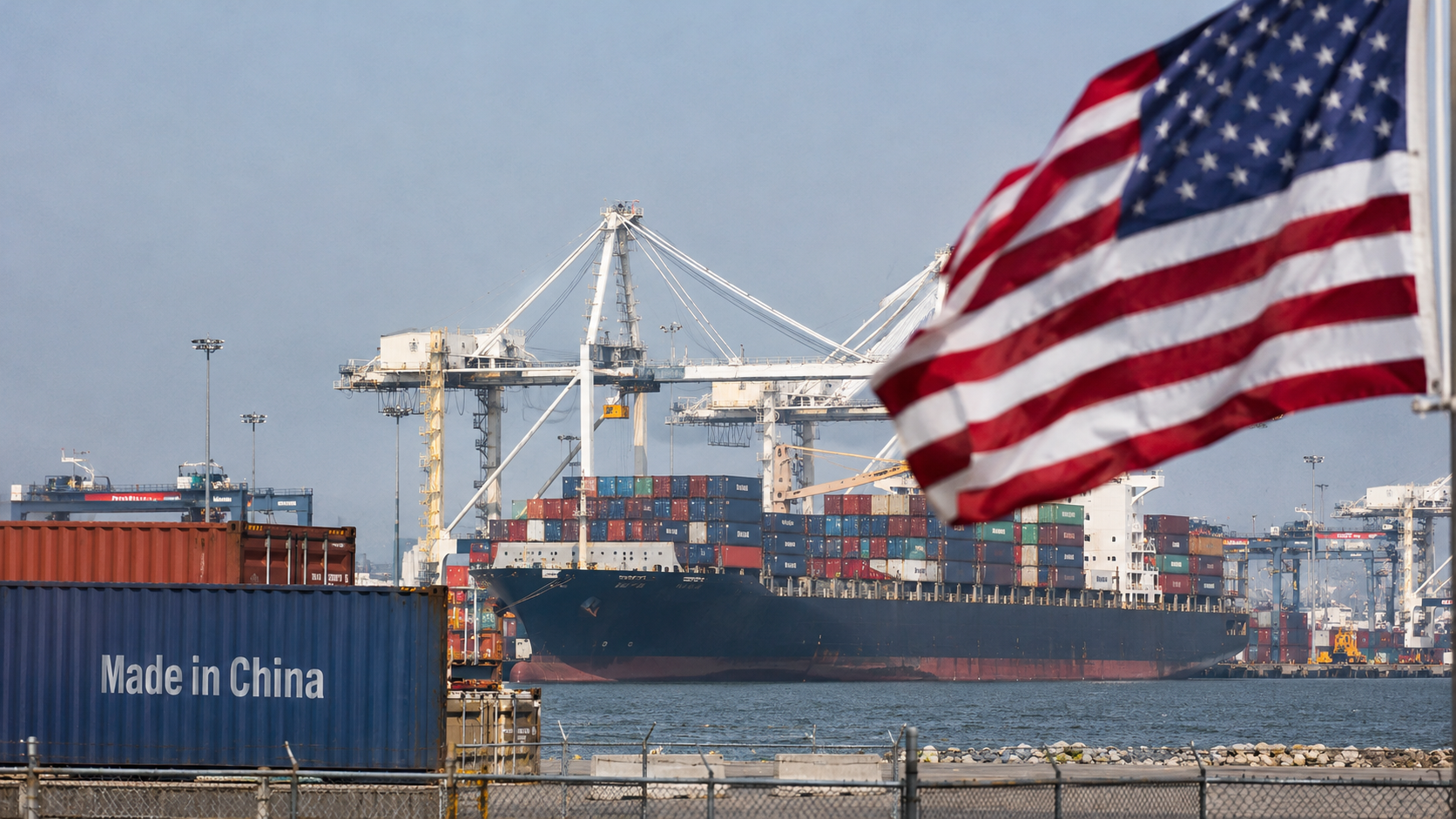
WASHINGTON: The administration of US President Donald Trump is preparing to announce additional import tariffs targeting 16 major trading partners following an investigation into industrial overcapacity and its reported impact on American manufacturing.
The proposed measures follow an investigation initiated in March by the Office of the United States Trade Representative (USTR) under Section 301 of the Trade Act of 1974, according to Reuters and the Associated Press.
The economies covered by the investigation are China, the European Union, India, Japan, South Korea, Mexico, Vietnam, Taiwan, Thailand, Malaysia, Indonesia, Switzerland, Norway, Singapore, Bangladesh and Cambodia.
Washington argues that government subsidies and preferential financing have encouraged industrial production beyond market demand in several economies, placing downward pressure on international prices and disadvantaging American manufacturers.
China maintains that its export competitiveness stems from technological innovation, manufacturing efficiencies and established industrial supply chains.
The investigation covers industries including steel, aluminium, electric vehicles, solar energy equipment and household appliances.
The proposed duties would follow an earlier US Supreme Court ruling in February that invalidated the administration’s broad tariff measures.
In July, Washington imposed separate import duties of 10% or 12.5% on 60 trading partners following investigations into enforcement of restrictions on goods produced through forced labour.
The additional tariffs could affect international manufacturing networks, particularly in Southeast Asia, where Chinese companies have established export-oriented production facilities.
Pakistan is not included among the 16 economies covered by the industrial overcapacity investigation. However, the inclusion of India and Bangladesh is relevant to Pakistan’s export sector, particularly textiles and garments.
Higher US import duties on competing textile-exporting economies could create opportunities for Pakistani manufacturers to expand their share of the American market.